

Seed cycling is often talked about as a natural way to regulate menstrual cycles. But its benefits go much deeper than just period health.
Emerging research suggests that regularly consuming specific seeds can support:
- Hormonal balance
- Metabolic health
- Heart health
- Liver function
- Inflammation control
- Mental well-being
- Healthy aging
It is a simple, food-based strategy that can benefit women in all stages of life, from adolescence and regular cycles to PCOD, perimenopause, and post-menopause.
The Holistic View: Balance in the Body
Traditional systems like Chinese medicine emphasize the importance of internal balance (yin and yang) for overall health. When the body is in balance, energy flow, circulation, and reproductive health function smoothly.
Seed cycling follows a similar concept, nourishing the body with specific nutrients at the right time to gently support hormonal rhythm and whole-body wellness.
Instead of forcing hormonal changes, seeds provide natural nutrients that help the body regulate itself.
How to practice seed cycling
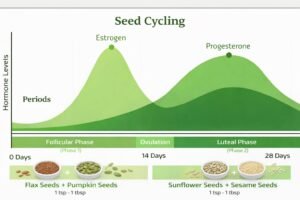
Flaxseeds: Small Seeds, Powerful Benefits
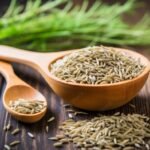
Flaxseeds are rich in omega-3 fatty acids, lignans (natural phytoestrogens), and fiber.
Research shows flaxseeds may help:
- Improve cholesterol levels
- Lower blood pressure
- Reduce inflammation
- Improve blood sugar control
- Support gut health and relieve constipation
- Reduce bone loss markers
- Support mood and reduce fatigue
Flaxseeds are particularly helpful for women with PCOD, insulin resistance, and cardiovascular risk factors.
Pumpkin Seeds: Sleep, Immunity & Hormone Support
Pumpkin seeds are rich in magnesium, zinc, antioxidants, and tryptophan.
They may help:
- Improve sleep quality
- Reduce inflammation
- Support immune health
- Protect heart health
- Support urinary health
- Reduce oxidative stress
Magnesium in pumpkin seeds also plays an important role in reducing PMS symptoms and improving mood
Sunflower Seeds: Metabolism & Liver Protection
Sunflower seeds provide vitamin E, selenium, and healthy fats.
Studies show they may:
- Reduce inflammation (lower CRP levels)
- Improve cholesterol levels
- Support liver function (especially in fatty liver)
- Help regulate blood pressure
- Support blood sugar control
They are particularly helpful in metabolic conditions like type 2 diabetes and fatty liver disease.
Sesame Seeds: Heart, Joint & Insulin Support
Sesame seeds contain sesamin and powerful antioxidants.
Benefits include:
- Liver protection
- Improved cholesterol ratios
- Better insulin sensitivity
- Reduced inflammation in joint conditions
- Support for blood pressure regulation
- Reduced fatty liver severity when combined with a healthy diet
Studies: Sesame oil combined with a hypocaloric diet significantly reduces liver enzymes and fatty liver severity, outperforming sunflower oil in comparative studies.
Sesame seeds are especially beneficial during perimenopause and menopause due to their mild phytoestrogen effects.
Seed Cycling in Perimenopause & Post-menopause
Seed cycling becomes especially valuable during hormonal transition phases.
Clinical Evidence & Dosages Used in Studies
Flaxseed powder (1000 mg twice daily for 6 weeks):
Observed benefits:
- Reduced hot flashes
- Reduced night sweats
- Improved vaginal dryness
- Reduced oxidative stress (lower malondialdehyde)
- Increased leptin levels (metabolic support)
Note: Malondialdehyde (MDA): A marker of oxidative stress in the body — lower levels indicate reduced cellular damage.
Leptin: A hormone that helps regulate appetite, metabolism, and energy balance.
Mixed seed supplementation (5 g each of flax, pumpkin, sunflower, and sesame seeds daily for 3 months):
Reported outcomes:
- Increased estradiol and progesterone levels
- Improved HDL (good cholesterol)
- Reduced total cholesterol and LDL
- Significant reduction in menopausal symptoms
In some measures, dietary seed supplementation showed superior improvements compared to control groups and even hormone replacement therapy (HRT).
Why it works:
Seeds contain phytoestrogens, which gently mimic estrogen activity, offering symptom relief without the risks associated with conventional HRT.
How to Practice Seed Cycling (Simple Guide)
- Daily quantity:
1–2 tablespoons of mixed seeds per day - Forms:
Dry roasted, powdered, or added to smoothies, curd, salads, or porridges - Who can follow it:
Adolescents, menstruating women, peri- and postmenopausal women, and even men - Duration:
Minimum 8–12 weeks for observable benefits
Professional Disclaimer
Seed cycling is a supportive dietary practice and does not replace medical treatment. Individuals with hormone-sensitive conditions or those on long-term medications should consult a qualified healthcare professional before making dietary changes.
References:
- Nowak, W., & Jeziorek, M. (2023). The Role of Flaxseed in Improving Human Health. Healthcare (Basel, Switzerland), 11(3), 395. https://doi.org/10.3390/healthcare11030395
- Javidi A., Mozaffari-Khosravi H., Nadjarzadeh A., Dehghani A., Eftekhari M.H. The effect of flaxseed powder on insulin resistance indices and blood pressure in prediabetic participants: A randomized controlled clinical trial. J. Res. Med. Sci. 2016;21:70. doi: 10.4103/1735-1995.189660
- Mirfatahi M., Tabibi H., Nasrollahi A., Hedayati M., Taghizadeh M. Effect of flaxseed oil on serum systemic and vascular inflammation markers and oxidative stress in hemodialysis patients: A randomized controlled trial. Int. Urol. Nephrol. 2016;48:1335–1341. doi: 10.1007/s11255-016-1300-5.
- Soltanian N., Janghorbani M. A randomized trial of the effects of flaxseed to manage constipation, weight, glycemia, and lipids in constipated patients with type 2 diabetes. Nutr. Metab. 2018;15:36. doi: 10.1186/s12986-018-0273-z
- Mirfatahi, M., Imani, H., Tabibi, H., Nasrollahi, A., & Hedayati, M. (2018). Effects of flaxseed oil on serum bone turnover markers in hemodialysis patients: a randomized controlled trial. Iranian Journal of Kidney Diseases, 12(4), 215. https://www.sid.ir/FileServer/JE/116620180405
- Gholami Z., Akhlaghi M. The effect of flaxseed on physical and mental fatigue in children and adolescents with overweight/obesity: A randomised controlled trial. Br. J. Nutr. 2021;126:151–159. doi: 10.1017/S0007114520003888
- Poorbaferani F., Rouhani M.H., Heidari Z., Poorbaferani M., Safavi S.M. Flaxseed oil supplementation on severity of depression and brain-derived neurotrophic factor: A randomized, double blind placebo controlled clinical trial. Int. J. Food Prop. 2020;23:1518–1526. doi: 10.1080/10942912.2020.1812639
- Soltanian N., Janghorbani M. Effect of flaxseed or psyllium vs. placebo on management of constipation, weight, glycemia, and lipids: A randomized trial in constipated patients with type 2 diabetes. Clin. Nutr. ESPEN. 2019;29:41–48. doi: 10.1016/j.clnesp.2018.11.002
- Hutchins A.M., Brown B.D., Cunnane S.C., Domitrovich S.G., Adams E.R., Bobowiec C.E. Daily flaxseed consumption improves glycemic control in obese men and women with pre-diabetes: A randomized study. Nutr. Res. 2013;33:367–375. doi: 10.1016/j.nutres.2013.02.012
- Nishimura, M., Ohkawara, T., Sato, H., Takeda, H., & Nishihira, J. (2014). Pumpkin Seed Oil Extracted From Cucurbita maxima Improves Urinary Disorder in Human Overactive Bladder. Journal of traditional and complementary medicine, 4(1), 72–74. https://doi.org/10.4103/2225-4110.124355.
- Vahlensieck, W., Theurer, C., Pfitzer, E., Patz, B., Banik, N., & Engelmann, U. (2015). Effects of pumpkin seed in men with lower urinary tract symptoms due to benign prostatic hyperplasia in the one-year, randomized, placebo-controlled GRANU study. Urologia internationalis, 94(3), 286–295. https://doi.org/10.1159/000362903
- Meena, K. K. A review of pumpkin seeds as a nutritional boost in innovations and fortifying flavors.https://www.doi.org/10.33545/26174693.2025.v9.i7j.4838
- Jiang, R., Jacobs, D. R., Jr, Mayer-Davis, E., Szklo, M., Herrington, D., Jenny, N. S., Kronmal, R., & Barr, R. G. (2006). Nut and seed consumption and inflammatory markers in the multi-ethnic study of atherosclerosis. American journal of epidemiology, 163(3), 222–231. https://doi.org/10.1093/aje/kwj033
- Richmond, K., Williams, S., Mann, J., Brown, R., & Chisholm, A. (2012). Markers of cardiovascular risk in postmenopausal women with type 2 diabetes are improved by the daily consumption of almonds or sunflower kernels: a feeding study. ISRN nutrition, 2013, 626414. https://doi.org/10.5402/2013/626414
- Kaur, G., Kaur, N., & Kaur, A. (2021). Lipid profile of hyperlipidemic males after supplementation of multigrain bread containing sunflower (Helianthus annuus) seed flour. Journal of food science and technology, 58(7), 2617–2629. https://doi.org/10.1007/s13197-020-04768-w
- Cheenam, B., & Leena, P. (2017).Effects of sunflower seeds on LFT levels of patients with fatty liver (grade 1).www.jipbs.com
- Cheenam, B., & Leena, P. (2016). Effects of sunflower seeds on fasting blood glucose in diabetes mellitus type 2 patients.https://www.jocpr.com/articles/effects-of-sunflower-seeds-on-fasting-blood-glucose-in-diabetes-mellitus-type-2-patients.pdf
- Mohammed S. and Pattan N., An Overview on Nutritional Composition and Therapeutic Benefits of Sesame Seeds (Sesamum indicum), International Journal for Research in Applied Science and Engineering Technology. (2022) 10, 1119–1127.
- Talabi J., Adeyemi S., Awopetu S., Ajiboye B. O., and Ojo O. A., Inhibitory Effect of Aqueous Extracts of Raw and Roasted Sesamum indicum L. Seeds on Key Enzymes Linked to Type-2 Diabetes (α-Amylase and α-Glucosidase) and Alzheimer’s Disease (Acetylcholinesterase and Butyrylcholinesterase), Potravinarstvo Slovak Journal of Food Sciences. (2018) 12, no. 1, 337–346, https://doi.org/10.5219/866, 2-s2.0-85045128878
- Jaffar, H. M., Akhtar, I., Saleem, M. Z., Malik, T., & Ayub, A. (2025). A Comprehensive Review of the Health Benefits, Nutritional Composition, and Agricultural Aspects of Sesame Seeds. Journal of Food Biochemistry, 2025(1), 8713698.
- Atefi, M., Entezari, M. H., Vahedi, H., & Hassanzadeh, A. (2022). Sesame oil ameliorates alanine aminotransferase, aspartate aminotransferase, and fatty liver grade in women with nonalcoholic fatty liver disease undergoing low‐calorie diet: a randomized double‐blind controlled trial. International Journal of Clinical Practice, 2022(1), 4982080.
- Dizaye, K., Alchalabi, D. A., & Marouf, B. H. (2023). Effects of flaxseed (Linum usitatissimum) on climacteric symptoms and clinical parameters in post-menopausal women: Flaxseed effects on menopause associated symptoms and biochemical parameters. Iraqi Journal of Pharmaceutical Sciences, 32(1), 257-265
- SRAVANTHI, D., KAYALVIZHI, E., NIREN, S., KUMAR, M. A., & RAHMAN, N. H. (2025). Hormonal and biochemical changes in peri-and post-menopausal women with dietary seeds supplementation. Romanian Journal of Medical Practice, 20(1).