

Keywords: Cumin seeds benefits, Jeera health benefits,Cumin for diabetes,Cumin for cholesterol,Cumin digestion benefits,Jeera for gut health,Cumin antioxidant properties,Cumin metabolic syndrome
Cumin (Cuminum cyminum L.), commonly known as jeera / jeeragam. In tamil when the term is split it is seer + agam – seer meaning clearing and agam meaning internally , basically referring to the digestive fire and gut health. It is more than a flavor-enhancing spice. Traditional medicine has valued it for centuries, and modern research now supports several of these claims especially in metabolic health.
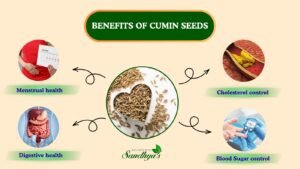
1. Supports Blood Sugar Control (Diabetes Management)
Scientific evidence suggests cumin may help regulate blood glucose levels, particularly in individuals with:
- Type 2 diabetes
- Prediabetes
- Metabolic syndrome
Observed benefits in human trials:
- Reduction in fasting blood glucose (FBG)
- Reduction in HbA1c (long-term glucose control marker)
- Improved insulin sensitivity in some studies
Cumin appears more effective in individuals who already have metabolic dysfunction.
Most consistent benefits were seen when cumin was used as powder (3–5 g/day) over 8–12 weeks along with lifestyle management
2. Improves Lipid Profile & Heart Health
Several randomized controlled trials and meta-analyses indicate cumin may support cardiovascular health by improving blood lipids.
Potential benefits include:
- ↓ Total cholesterol (TC)
- ↓ LDL (“bad” cholesterol)
- ↓ Triglycerides (TG)
- ↑ HDL (“good” cholesterol)
These effects were more pronounced in:
- Overweight and obese individuals
- People with dyslipidemia or metabolic syndrome
Cumin may be particularly beneficial in early stages of metabolic imbalance.
Note: Cumin seeds may support blood sugar and lipid regulation, but they are not a standalone treatment .Meaningful improvements require a balanced diet, regular physical activity, weight management, and overall lifestyle modification.
3. Antioxidant & Anti-Inflammatory Properties
Cumin contains bioactive compounds such as cuminaldehyde, terpenes, and phenolics that contribute to its antioxidant capacity.
Human and animal studies show:
- Reduced oxidative stress markers (e.g., MDA)
- Increased antioxidant enzymes (SOD, TAC)
- Reduced inflammatory markers (IL-6, TNF-α in animal models)
This antioxidant action may partly explain cumin’s role in protecting against:
- Cardiovascular disease
- Diabetes-related complications
4. Aids Digestive Health & Gut Comfort
Traditional uses of cumin for digestion are supported by modern evidence.
Clinical benefits observed:
- Reduced bloating and abdominal pain (IBS patients)
- Improved digestion and relief from gas and discomfort
- Antimicrobial effects against gut and vaginal pathogens
Cumin essential oil showed effectiveness in managing:
- Irritable bowel syndrome (IBS) symptoms
- Vulvovaginal candidiasis
- Dental plaque formation
5. May Support Weight Management (Indirectly)
Cumin does not act as a direct weight-loss agent, but some trials report:
- Modest reductions in body weight, BMI, and waist circumference
- Improved insulin sensitivity, which indirectly supports fat metabolism
These effects were inconsistent but more noticeable in overweight individuals with metabolic risk factors.
6. Menstrual & Women’s Health Benefits
In a small clinical trial, cumin supplementation:
- Did not significantly reduce menstrual pain
- Did reduce associated symptoms such as:
- Fatigue
- Cold sweats
- Cramps
- Backache
This suggests cumin may help manage menstrual discomfort symptoms, even if pain relief is limited.
7. Antimicrobial & Immune-Supportive Effects
Cumin exhibits broad antimicrobial activity:
- Effective against Candida species
- Reduced oral plaque comparable to chlorhexidine toothpaste
- Traditionally used for respiratory and childhood infections
These effects are linked to cumin’s essential oil constituents like α-pinene and cineole.
Safe When Used in Culinary & Moderate Supplemental Doses
Safety profile:
- Cumin powder: safe up to 5 g/day
- Cumin essential oil: safe up to 375 mg/day
- Generally recognized as safe (GRAS)
Caution advised for:
- Pregnancy
- Individuals on blood-thinning or glucose-lowering medications
- People with spice allergies
Your Smart Nutrition Insight
Cumin seeds are not a miracle cure, but evidence suggests they may support metabolic health, digestion, lipid balance, and antioxidant defenses, especially in individuals with existing metabolic disturbances.
For best benefits:
- Use cumin regularly in cooking
- Pair with a balanced diet and healthy lifestyle
- Avoid excessive supplementation without medical advice
References:
- Singletary, K. W. (2021). Cumin: Potential health benefits. Nutrition Today, 56(3), 144-151. DOI: 10.1097/NT.0000000000000479