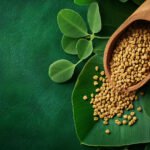
Mango ginger benefits, Ma-Inji, Curcuma amada, anti-inflammatory foods, asthma relief, seasonal immunity, probiotic pickle, South Indian traditional foods


Mango ginger benefits, Ma-Inji, Curcuma amada, anti-inflammatory foods, asthma relief, seasonal immunity, probiotic pickle, South Indian traditional foods
Mango ginger (Ma-Inji) is one of South India’s most underrated seasonal treasures. Though it resembles regular ginger, its gentle mango like aroma and therapeutic compounds make it an exceptional healing root used for centuries in traditional kitchens.
Mango ginger is a powerful anti-inflammatory, antimicrobial, and immune supportive food, especially valuable during seasonal changes.
Here’s a complete breakdown of its benefits, uses, and science-backed properties.
Botanically known as Curcuma amada, mango ginger belongs to the turmeric family.
It contains unique phytochemicals such as:
These are responsible for its anti-inflammatory, antioxidant, antimicrobial, and anticancer properties.
Studies show that mango ginger contains compounds that reduce:
Its anti-inflammatory activity is comparable to classical turmeric, but with a gentler flavour.
Chronic inflammation is linked to joint pain, digestive issues, fatigue, allergies, poor immunity, and metabolic imbalance.
Mango ginger helps naturally calm the body from within.
Curcuma amada extracts show significant anti-inflammatory activity in animal models, reducing inflammatory enzymes.¹
Laboratory studies have shown that mango ginger contains antioxidant and cytotoxic compounds that inhibit the growth of certain cancer cell lines.
Its action includes:
Important: These findings are preclinical (cell culture & animal studies).
They are promising but not a substitute for medical treatment.
Curcuma amada demonstrated cytotoxic and antioxidant activity against breast cancer cell lines in vitro.²
Ma-Inji arrives in markets exactly when:
starts becoming common in south India
Its antimicrobial and antioxidant properties support:
Curcuma amada shows potent antibacterial, antitubercular activity and antifungal action.³
Mango ginger is traditionally used to support respiratory ease.
It may help:
Even when a cold has already begun, mango ginger tea or chutney can help reduce symptom severity.
Mango ginger has shown promising antidiabetic effects in experimental models. In a high- fat diet and streptozotocin induced diabetic rats, mango ginger improved blood glucose, insulin and lipid levels while enhancing antioxidant capacity. It reduced oxidative stress markers and protected liver tissue from fat accumulation. These benefits are linked to activation of the GSK-3β/Fyn/Nrf2 pathway, a natural body system that works like a “cell protection switch”, helping the body fight damage, reduce inflammation, and boost antioxidant defense.4
Like ginger, mango ginger:
When fermented with lemon & salt, it becomes a natural probiotic.
This is one of the simplest and most powerful ways to consume Ma-Inji — especially for respiratory issues.
Click here to view full recipe video
Have 3–4 slices daily with meals.
It:
Mango ginger is generally safe for all ages.
However:
From calming inflammation to easing wheezing, from boosting seasonal immunity to supporting digestion, Mango Ginger (Ma-Inji) is one of the most powerful seasonal roots you can add to your daily meals.
A spoon of chutney, a slice of probiotic pickle, or an infusion can make a meaningful difference to your respiratory health and overall vitality.
This golden root is proof that healing foods are often the simplest and grow closest to home.
References